


Enhancing Ground Game Fluidity and Tactical Awareness in Submission Grappling Personal Training

Submission Grappling Personal Training
When couples come to me for submission grappling personal training, they often want to improve not just their strength but their ability to move naturally and react tactically on the ground. In our recent session, my couple clients embraced this challenge during their fourth hour of martial arts cross training. After focusing on hip control in the previous lesson, we introduced attacking with armlock holds, layering new skills on a solid foundation.
This post shares how we structured the session to build fluidity and tactical awareness, why these elements matter, and what couples can expect as they progress in their training together.

Building on Hip Control with No-Hands Flow Rolling
We started the session with a warm-up called no-hands flow rolling. This drill encourages movement without relying on grips or hand control, forcing practitioners to use their hips and body positioning to maintain control and create opportunities. For couples training together, this exercise helps develop a deeper connection to their own body mechanics and each other’s movements.
The focus on hip movement is crucial because the hips generate power and control on the ground. When you learn to move your hips fluidly, you can transition between positions more smoothly and set up attacks with less effort.
Introducing Kimura and Americana Grips
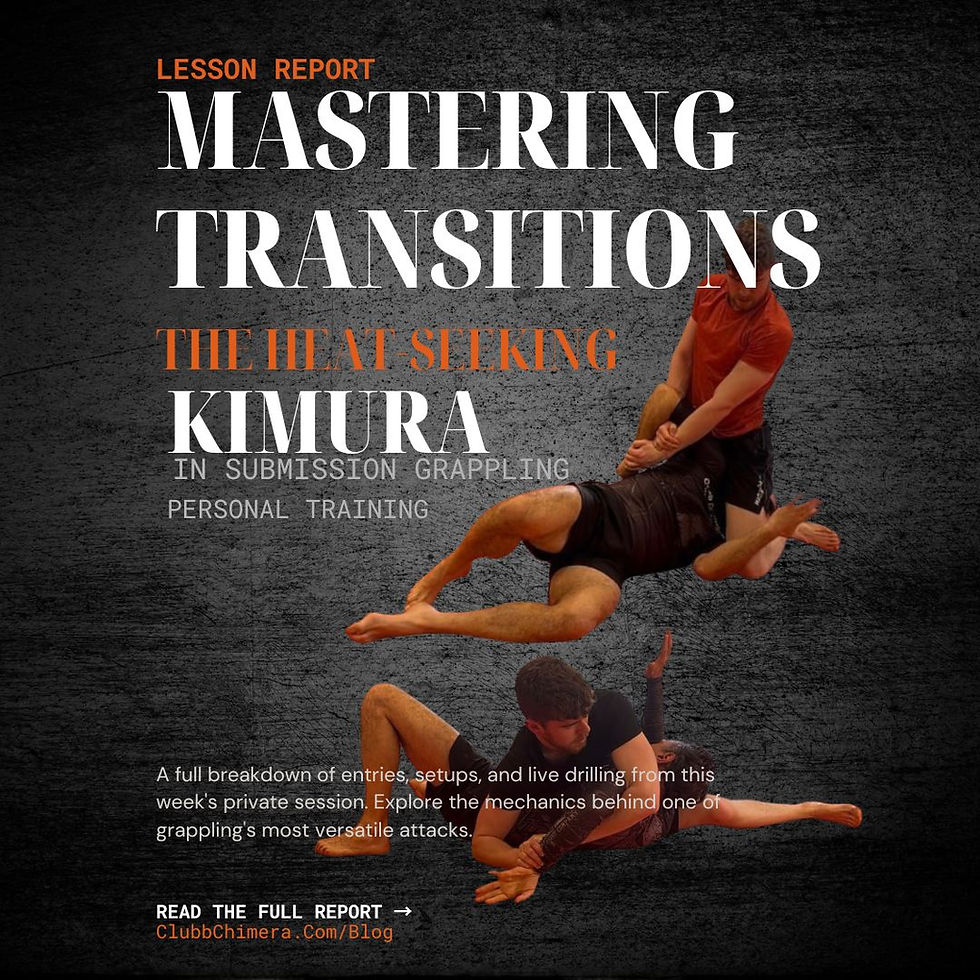
After warming up, we moved on to two fundamental armlock holds: the Kimura and the Americana. These techniques are staples in submission grappling personal training because they offer effective control and submission options from various positions.
Kimura grip: This involves isolating the opponent’s arm and applying rotational pressure on the shoulder joint.
Americana grip: This targets the shoulder with a figure-four grip, applying pressure in a different direction.
Instead of drilling these techniques in isolation, we practiced them through live, objective-based games. This means the clients had to achieve specific goals, such as securing the grip or completing the submission, while their partner resisted actively. This approach keeps the training dynamic and realistic, encouraging problem-solving and adaptability.
Why Tactical Awareness Matters on the Ground
The goal of submission grappling personal training is not just to memorize techniques but to develop tactical awareness. This means understanding when and how to apply moves based on your opponent’s reactions and positioning.
For couples training together, this tactical sense builds trust and communication. Each partner learns to read subtle cues and adjust their strategy, which translates into better cooperation and confidence during sparring or self-defense situations.
By focusing on hooking arms and attacking from different positions, my clients practiced moving naturally rather than forcing a single technique. This mindset helps prevent frustration and encourages creativity on the mat.
Practical Tips for Couples Training in Submission Grappling
If you and your partner are interested in submission grappling personal training, here are some practical tips based on our session:
Prioritize movement over strength: Focus on flowing smoothly and using your hips to generate control rather than relying on brute force.
Use live drills: Practice techniques in realistic scenarios where your partner resists, so you learn to adapt.
Communicate clearly: Talk through what works and what doesn’t during training to build mutual understanding.
Be patient with progress: Fluidity and tactical awareness develop over time, especially when learning complex holds like the Kimura and Americana.
Warm up with flow rolling: Incorporate no-hands flow rolling to improve your body awareness and hip mobility.
What’s Next in Training
In our next lesson, we will build on these foundations by exploring other possible attacks and transitions. This step-by-step layering helps couples develop a well-rounded ground game that feels natural and effective.
By continuing to focus on fluid movement and tactical thinking, couples can enjoy their submission grappling personal training while gaining skills that enhance both their martial arts and their connection as training partners.


Comments