


Fighting Out of the Corner and Off the Wall in Mixed Martial Arts Personal Training

Updated: Feb 5
Mixed Martial Arts Personal Training: Mastering Corner Combat
Training to fight effectively when trapped in the corner or pressed against the cage is a critical skill in Mixed Martial Arts Personal Training. These situations test your ability to stay calm, defend, and counterattack under pressure. In my client’s third lesson of their current MMA course, we focused on mastering these challenging positions by comparing techniques from boxing, wrestling, Muay Thai, and MMA clinch work. After seven years of private lessons, my client has a solid foundation in the core martial arts that make up MMA. This course builds on that by blending attributes from each discipline to improve overall fight IQ and adaptability.

Boxing Techniques for Corner Control
We started with two rounds dedicated to boxing, focusing on cornering an opponent and landing punches without getting trapped yourself. The first two rounds emphasised how to use footwork and angles to push an opponent into the corner. This involves cutting off escape routes and controlling the ring space. My client practised maintaining pressure while avoiding overcommitment, which can leave you vulnerable.
Rounds three and four shifted to the defensive side: landing punches while stuck in the corner without getting overwhelmed. This drill highlighted the importance of head movement, timing, and counterpunching. For example, slipping a jab and immediately firing a short hook can create openings even when you have limited space. These boxing rounds reinforced the idea that being in the corner doesn’t mean you lose offensive options.
Wrestling Skills to Reverse Position Off the Wall
Next, we moved to wrestling for rounds five and six. Wrestling teaches control and leverage, which are essential when you’re pressed against the cage. The focus was on reversing position off the wall—escaping from being pinned and turning the tables on your opponent.
My client practised wall walks, hip turns, and underhook techniques to create space and regain control. One key takeaway was the importance of timing: waiting for the opponent to overcommit before executing a reversal. These wrestling drills build confidence in escaping tough spots and transitioning to dominant positions.
Ground 'n Pound Strategies from the Bottom Position
Rounds seven and eight introduced MMA ground 'n pound scenarios. Here, my client worked on the push bottom position against the wall, learning how to defend strikes while looking for sweeps or submissions. This position is tricky because the cage limits movement, but it also offers leverage points for escapes.
We drilled techniques like framing against the opponent’s hips and using the cage to help elevate the hips for sweeps. The goal was to stay active and avoid being passive on the bottom. This part of the session showed how MMA blends striking and grappling in close quarters, requiring constant adaptation.
Muay Thai Approaches to Fighting Out of the Corner
Rounds nine and ten focused on Muay Thai, which adds knees, elbows, and clinch strikes to the mix. Fighting out of the corner in Muay Thai demands effective use of the clinch and striking to create space.
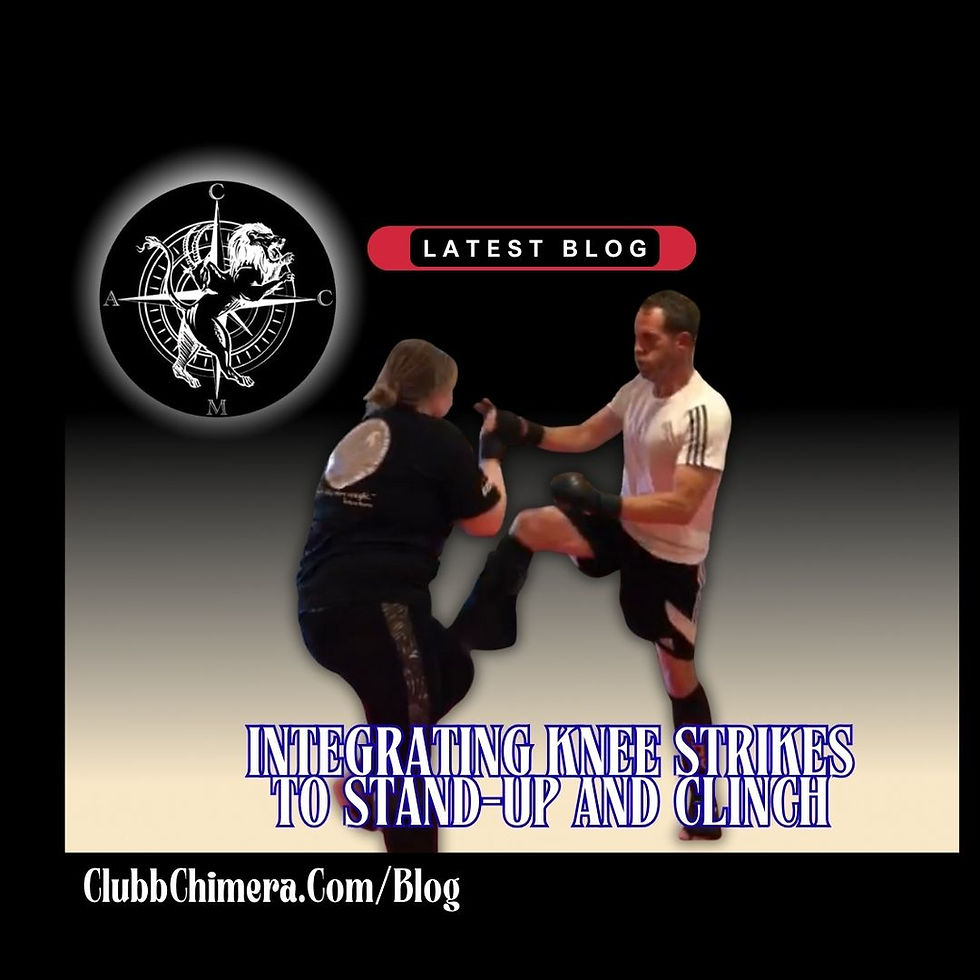
My client practised controlling the opponent’s head and arms while delivering knees to the body and legs. We also worked on quick pivots and side steps to escape the corner. Muay Thai’s emphasis on close-range strikes complements the boxing and wrestling skills, making it a valuable part of Mixed Martial Arts Personal Training.
MMA Clinch Work for Takedown and Reversal
The final rounds, eleven and twelve, combined everything in MMA clinch work. The focus was on takedown attempts and reversing position from the wall. Clinch control is crucial when space is limited, and the cage can be used both defensively and offensively.
My client practised pummeling for underhooks, setting up trips, and countering takedown attempts by sprawling or using the cage to regain balance. This drill reinforced the importance of hand fighting and body positioning to control the clinch.
Cooling Down with Stretching Techniques
After intense sparring, we finished with a warm down involving PNF (Proprioceptive Neuromuscular Facilitation), dynamic, and static stretching. This helps improve flexibility, reduce muscle soreness, and prevent injury. Stretching is often overlooked but essential for maintaining long-term mobility and performance in Mixed Martial Arts Personal Training.
Practical Takeaways for Training One-on-One
Training to fight out of the corner and off the wall requires blending skills from multiple martial arts. Here are some practical tips based on this session:
Use footwork and angles to control space and avoid getting trapped.
Develop head movement and counterpunching to stay offensive even when cornered.
Practice wrestling reversals to escape cage control.
Stay active on the ground, using frames and the cage to create sweeps.
Incorporate Muay Thai clinch strikes to break free and counterattack.
Focus on clinch control and hand fighting to set up takedowns or reversals.
Always include proper warm down and stretching to maintain flexibility.
Each martial art offers unique tools for these situations. Mixed Martial Arts Personal Training allows you to combine them effectively, building confidence and skill in tight, high-pressure moments.
If you want to improve your ability to fight out of the corner or off the cage, consider one-to-one training that targets these specific scenarios. Personalized coaching helps identify your strengths and weaknesses, tailoring drills to your needs. With consistent practice, you’ll turn these challenging positions into opportunities to control the fight.
For more insights on personalized training, check out Mixed Martial Arts Personal Training.


Comments