


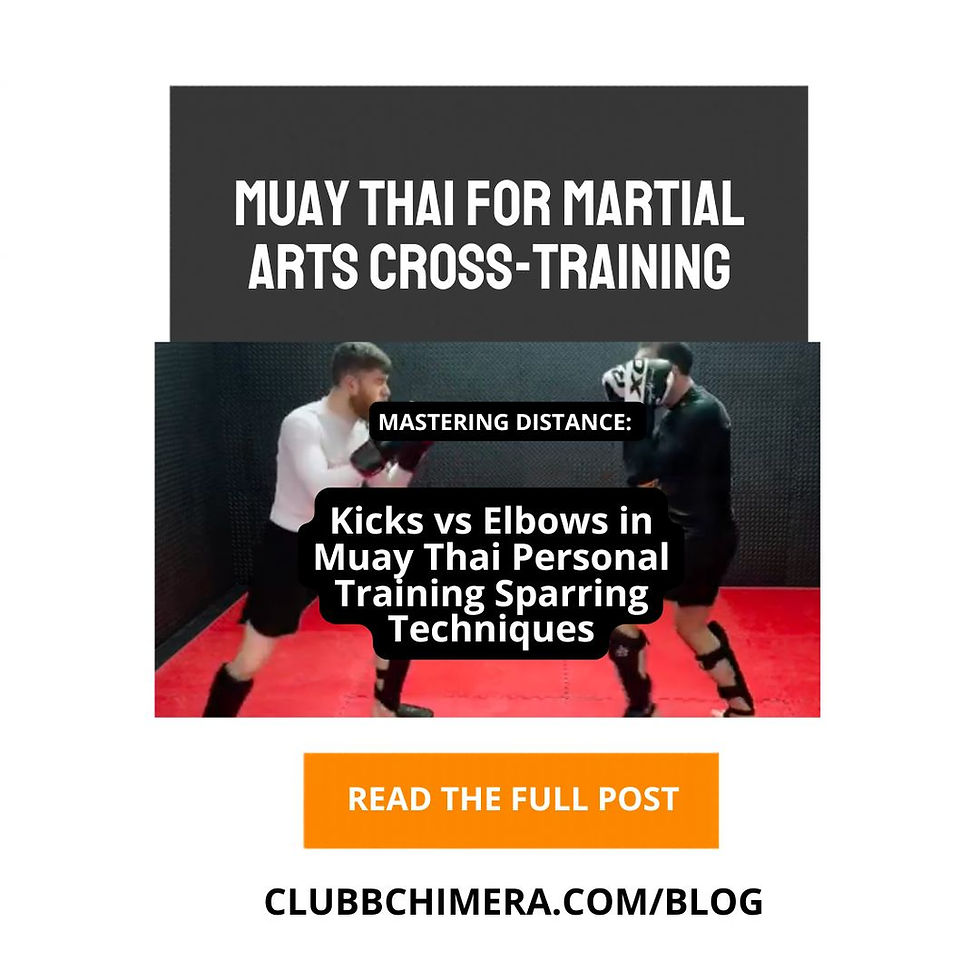
Mastering Distance: Kicks vs Elbows in Muay Thai Personal Training Sparring Techniques

Muay Thai Personal Training
In the fourth lesson of my Cotswold Karate teacher client’s latest Muay Thai course, we flipped the script from the previous session. This time, we focused on pitting kicks against elbow strikes, emphasising how to control distance and avoid kick catches during sparring. These skills are essential for any martial arts teacher looking to deepen their understanding of Muay Thai and improve their personal training sessions. If you want to see these techniques in action, be sure to check out our videos on YouTube, Instagram, and Facebook where we document every class.
Understanding the Importance of Distance in Muay Thai
Distance management is one of the most critical aspects of Muay Thai. It dictates when and how you can effectively land strikes or defend against your opponent’s attacks. Kicks and elbows operate at different ranges, so mastering the transition between these distances is key.
Kicks generally work best at a longer range, allowing you to generate power and keep your opponent at bay.
Elbows are close-range weapons, ideal for quick, sharp strikes when you’re inside your opponent’s guard.
By training kicks against elbows, you learn how to control the space between you and your opponent, which helps prevent them from closing in or catching your kicks.
Techniques to Control Distance When Kicks Meet Elbows
During the lesson, we drilled several techniques that help maintain or close distance effectively:
1. Using Footwork to Maintain Optimal Range
Footwork is the foundation of distance control. When facing an opponent who favors elbows, you want to keep just enough space to use your kicks without getting caught.
Step back or circle away when the opponent moves in.
Use lateral movement to avoid being a stationary target.
Practice quick pivots to angle off after throwing a kick.
2. Timing Your Kicks to Avoid Elbow Counters
Elbows can be devastating if timed correctly against a kick. To avoid this:
Throw kicks when your opponent is off-balance or retreating.
Use feints to draw out elbow strikes, then counter with a kick.
Mix up your rhythm to keep your opponent guessing.
3. Avoiding Kick Catches
Kick catches can lead to takedowns or counterstrikes. To reduce the risk:
Retract your leg quickly after a kick.
Use feints and setups to prevent your opponent from anticipating your kicks.
Combine kicks with punches or clinch entries to disrupt their timing.
Sparring Drills to Practise Kicks vs Elbows
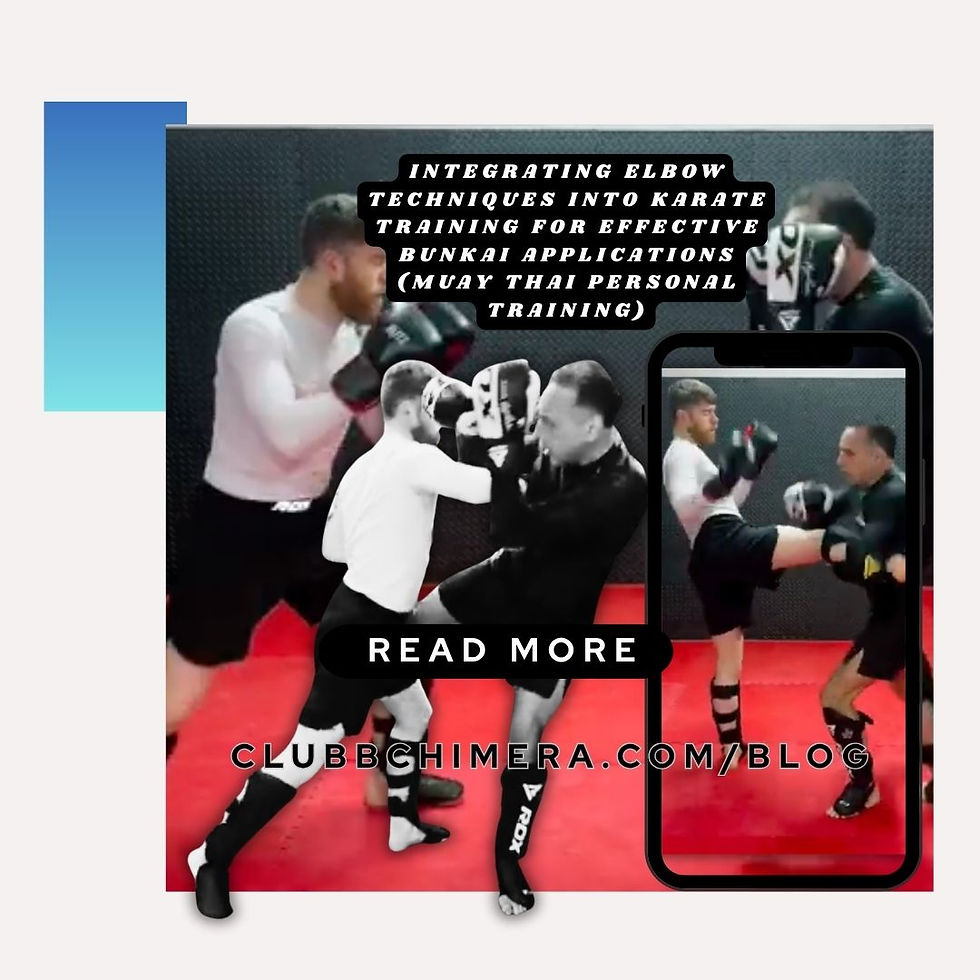
In our sparring sessions, we focused on controlled exchanges where one partner used kicks and the other used elbows. This drill helps both fighters understand the challenges and opportunities of each weapon.
Start at mid-range and work on closing or creating distance.
The kicker practices maintaining range and avoiding elbow strikes.
The elbow striker works on cutting off the ring and timing close-range attacks.
This drill builds awareness and sharpens reflexes, which are crucial for real fight scenarios and personal training sessions.
How This Lesson Enhances Muay Thai Personal Training
For martial arts teachers offering Muay Thai personal training, these drills and concepts are invaluable. They provide a clear framework to teach students how to:
Recognize and control fighting range.
Adapt their striking based on opponent’s style.
Improve defensive skills against common counters.
Incorporating these lessons into your personal training sessions will help your students become more versatile and confident fighters.
Practical Tips for Martial Arts Teachers
When teaching these techniques, keep these points in mind:
Emphasize the importance of distance awareness before introducing complex combinations.
Use slow-motion sparring to highlight timing and positioning.
Encourage students to experiment with different footwork patterns.
Record sparring sessions and review them with students to identify areas for improvement.
These approaches make your Muay Thai personal training more effective and engaging.
Wrapping Up
Mastering the battle between kicks and elbows is about understanding distance and timing. By focusing on footwork, timing, and avoiding kick catches, you can control the pace of sparring and improve your overall Muay Thai skills. For martial arts teachers, these lessons offer practical tools to enhance your personal training sessions and help your students grow.
If you want to see these techniques demonstrated, don’t forget to visit our YouTube, Instagram, and Facebook pages where we share detailed videos from every class. Keep practicing, and you’ll notice how controlling distance transforms your Muay Thai sparring.
Comments