


Targeted Sparring for Muay Thai Personal Training

Muay Thai Personal Training
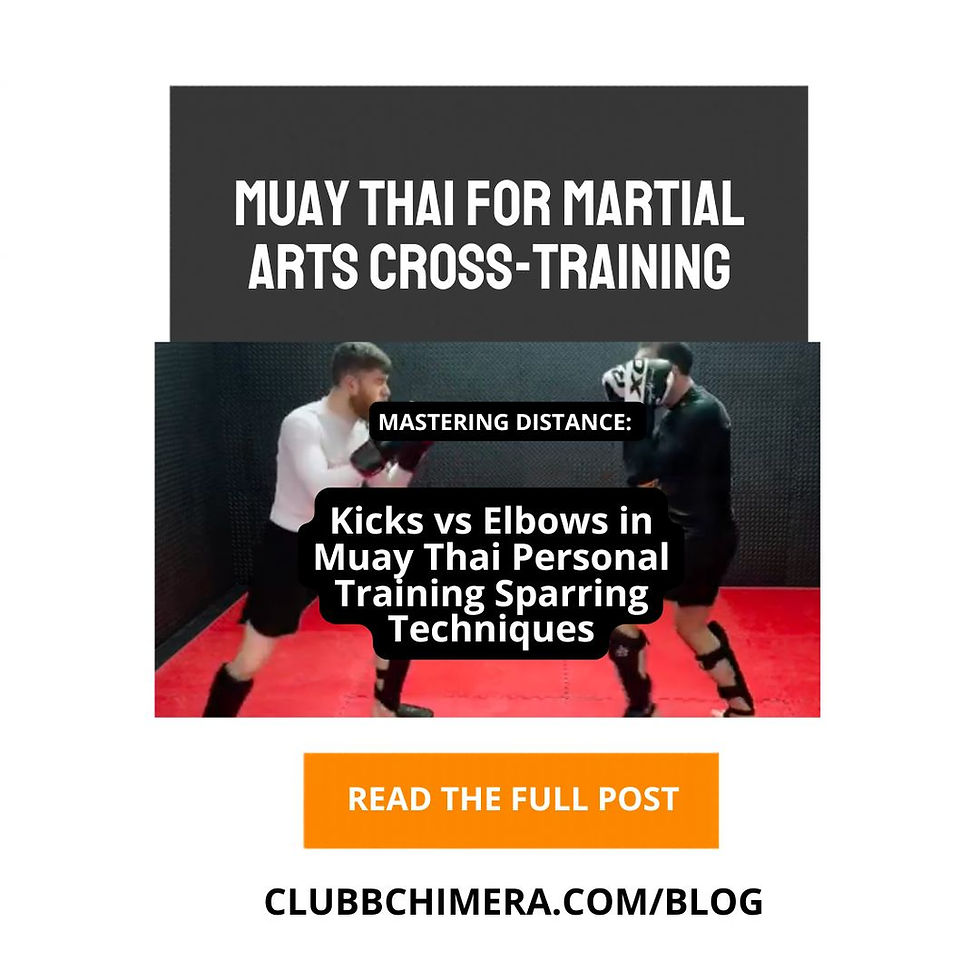
Sparring is an integral and indispensable component of Muay Thai personal training, serving not only as a means to practice techniques but also as a vital opportunity to refine and enhance specific skills. Recently, a client dedicated a 12-round sparring session with a concentrated focus on defensive strategies. This session was meticulously structured, breaking down each round into distinct areas of focus, including hand defence, kicks, counters, and clinch escapes. By adopting this targeted approach, the client was able to hone his defensive techniques in a systematic manner, which ultimately contributed to building both confidence and skill under the pressure of a sparring environment.
This post delves into the multifaceted benefits of targeted sparring as a method to bolster your Muay Thai defence. It will also explore the significance of punch structure in boxing training, emphasizing how this foundational aspect can translate into improved striking capabilities. Furthermore, we will discuss the advantages of cross-training in other martial arts, such as taekwondo, and how these practices can enhance overall performance and versatility in Muay Thai.

Breaking Down Defence in Muay Thai Sparring
Defence is a critical element of any striking art, yet it often receives less attention than offensive techniques. During the recent sparring session, the client engaged in rounds that were strategically focused on specific defensive maneuvers, which included:
Hand defence only: This round concentrated on blocking and parrying various punches, aimed at protecting both the head and body. By honing in solely on hand defence, the client was able to develop a keen sense of timing and distance, learning to anticipate incoming strikes and respond effectively.
Defending kicks: In this segment, the focus shifted to checking and evading leg and body kicks. Practicing these techniques allowed the client to gain a better understanding of how to absorb or deflect powerful kicks, thus minimizing damage and maintaining his own offensive capabilities.
Counters only: This round was dedicated to responding immediately after a defensive action, transforming defence into a counter-offensive strategy. By practicing counters, the client learned how to seize opportunities to strike back right after defending, creating a seamless flow between defence and offence.
Clinch defence and escape: In this crucial round, the focus was on learning effective techniques to break free from the clinch without losing balance or compromising position. This training is essential, as the clinch is a fundamental aspect of Muay Thai that can dictate the course of a fight.
By isolating these critical areas of defence, the client was able to dedicate full attention to each skill without the distraction of offensive tactics. This methodical approach not only aids in building muscle memory but also sharpens reaction time significantly. For instance, practicing hand defence in isolation compels the fighter to develop a sharper eye for reading punches and responding swiftly. Similarly, engaging in clinch drills enhances control and positioning, which are vital for maintaining an advantageous stance during a fight.
To conclude the session, the training regimen included a challenging pull-up and Nordic posterior chain superset, specifically designed to strengthen the muscles that are essential for maintaining balance and generating power in Muay Thai.
The workout was rounded off with 15 minutes dedicated to PNF stretching and release, which is instrumental in improving flexibility and alleviating muscle tightness. This final phase of the training not only aids in recovery but also enhances overall performance by ensuring that the fighter remains limber and agile for future training sessions and competitive bouts.

Comments