


Mastering Scarf-Hold & Side Control: Techniques, Defence, and No-Hands Sparring in Submission Grappling Personal Training

Submission Grappling Personal Training
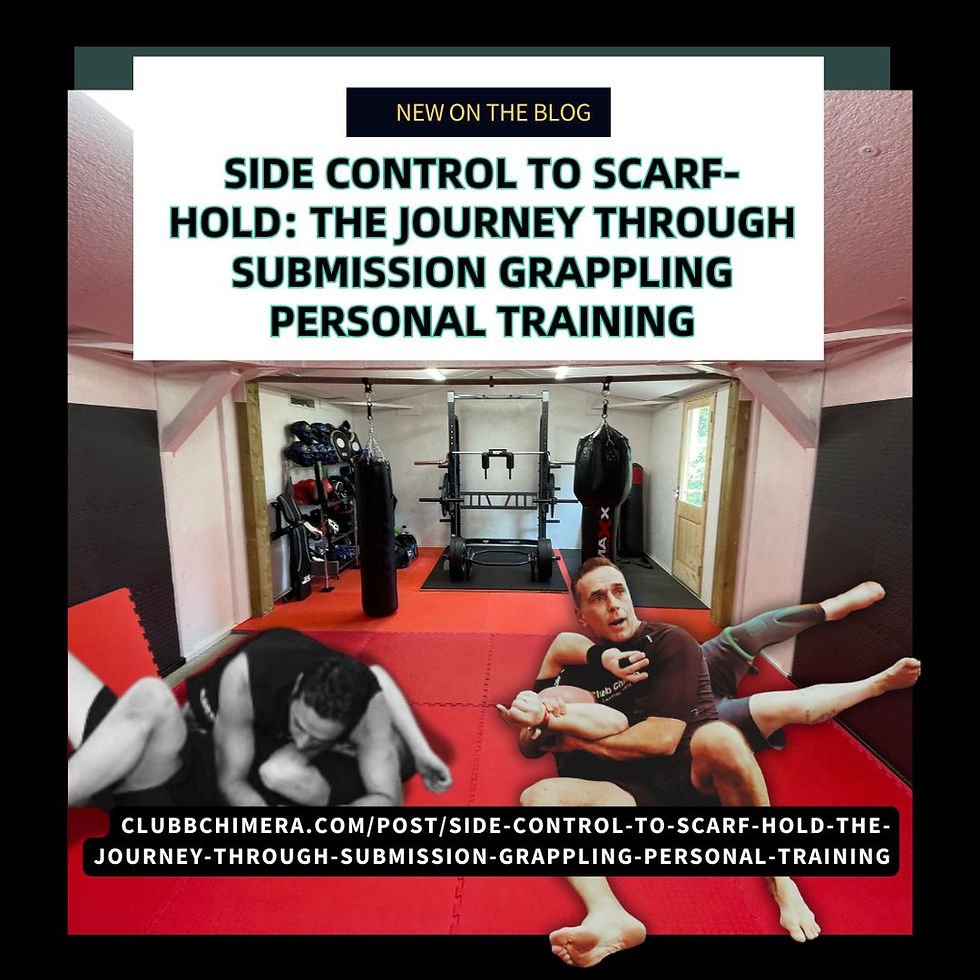
Scarf-hold side control is a powerful position in submission grappling that offers control and multiple submission opportunities. In lesson three of my client’s first Submission Grappling Personal Training course, we focused on refining this position, transitioning between scarf-hold and back control, and exploring defenses. We also introduced no-hands sparring drills to emphasize hip movement and mobility, which are crucial for effective ground fighting. This post breaks down the key techniques, defenses, and training methods we used, helping you build a solid foundation in scarf-hold side control.

Understanding Scarf-Hold Side Control and Its Importance
Scarf-hold side control, also known as kesa gatame in judo, involves controlling your opponent from the side while wrapping one arm around their head or arm. This position allows you to apply pressure, limit your opponent’s movement, and create openings for submissions.
Why focus on scarf-hold? It offers:
Strong control over your opponent’s upper body
Multiple submission options such as chokes and arm locks
Opportunities to transition smoothly to other dominant positions like back control
Mastering this position is essential for anyone serious about submission grappling, especially private clients who want practical, effective ground-fighting skills.
Key Techniques: Snake Choke, Arm-Triangle, and American Submissions
During the lesson, I introduced three main submission opportunities from scarf-hold side control:
Snake Choke
The snake choke targets the opponent’s neck using your arm wrapped around their collar or neck area. It’s a subtle but effective choke that can finish the fight quickly if applied correctly.
Position your arm deep around the neck
Use your body weight to apply pressure
Keep your opponent’s posture broken down to prevent escapes
Arm-Triangle
The arm-triangle choke uses your opponent’s own arm to cut off blood flow on one side of their neck while your arm compresses the other side.
Trap one arm tightly against their neck
Use your head and shoulder to apply pressure
Adjust your position to increase leverage
American Submission (Kimura)
The American, or kimura lock, attacks the opponent’s shoulder and elbow joints, forcing a tap or creating openings for transitions.
Secure a figure-four grip on the opponent’s arm
Control their wrist and elbow
Use leverage to twist the arm behind their back
Each of these submissions requires precise control and timing, which we drilled repeatedly to build muscle memory.
Defenses Against Scarf-Hold Side Control
Knowing how to defend scarf-hold side control is just as important as applying it. We worked on several defensive techniques to help clients escape or neutralize the position:
Frame with the arms to create space between you and your opponent
Bridge and shrimp to disrupt their base and create angles for escape
Use hip movement to regain guard or transition to a safer position
These defenses rely heavily on hip mobility and timing, which is why we incorporated no-hands sparring drills to sharpen these skills.
No-Hands Sparring to Improve Hip Movement and Mobility
One of the highlights of the lesson was using no-hands sparring methods. This drill removes the use of hands, forcing you to rely on hip movement and body positioning to maintain control or escape.
Benefits of no-hands sparring include:
Developing stronger hip awareness and control
Improving balance and weight distribution
Enhancing the ability to move fluidly on the ground
For example, during no-hands sparring, clients practiced maintaining scarf-hold side control by adjusting their hips and base without gripping. This drill helped them understand the fundamental principles of ground-fighting mobility and how to apply them in real sparring.
Transitioning Between Scarf-Hold and Back Control
A key skill we emphasized was transitioning smoothly between scarf-hold side control and back control. This transition opens up more submission options and keeps your opponent off balance.
Steps to transition effectively:
Maintain tight control of the opponent’s upper body
Use your hips to shift weight and create openings
Slide around to take the back while securing hooks or seatbelt grips
Practicing this transition repeatedly builds confidence and fluidity, making your ground game more dynamic.
What’s Next: Exploring the North-South Position
In the next lesson, we will focus on the north-south position, another dominant control point in submission grappling. This position offers different control and submission opportunities, and understanding it will complement your scarf-hold skills.
If you’re following along with Submission Grappling Personal Training, mastering scarf-hold side control and its defenses will prepare you well for this next step.

Comments