


Mastering Top Position Techniques in Submission Grappling Class

When starting submission grappling, controlling the top position is a key skill that sets the foundation for effective offense and defense. In my client’s first Submission Grappling Personal Training course, we dedicated the fifth hour to refining top position control. This session focused on knee-pin and reverse half-guard positions, along with transitions and submissions from these holds. If you are new to grappling or considering private training, understanding these techniques will boost your confidence and improve your overall game.

Warm-Up with Flow Pinning and Escaping
We began the class with two rounds of flow pinning and escaping, each lasting five minutes. This warm-up is essential because it helps develop fluid movement and timing when controlling or escaping pins. Flow pinning involves moving smoothly between different pin positions without losing control, while escaping requires quick reactions and proper technique to break free.
This drill prepares your body and mind for the more technical work ahead. It also builds endurance and sharpens your ability to sense your opponent’s weight distribution and balance. For beginners, practicing flow pinning helps develop muscle memory for maintaining dominant positions.
Focusing on the Knee-Pin Position
After warming up, we concentrated on the knee-pin position. The knee-pin is a powerful top control where you use your knee to pin your opponent’s body, limiting their movement and setting up submissions. It’s a versatile position that offers strong control without exhausting your energy.
From the knee-pin, I introduced two key submissions:
Ezekiel Choke: This choke uses your arm and gi or your own sleeve to apply pressure on the opponent’s neck. It’s effective because it can be applied quickly and often catches opponents off guard when they focus on escaping the pin.
Arm-Bar from Knee-Pin: This submission targets the opponent’s arm by isolating it and applying pressure on the elbow joint. It’s a great follow-up if the opponent defends the choke or tries to push you off.
Practicing these submissions from the knee-pin helps build confidence in attacking while maintaining control. It also teaches you how to transition smoothly between control and finishing moves.
Using Reverse Scarf-Hold for Advanced Submissions
Next, we moved to the reverse scarf-hold, also known as reverse half-guard. This position allows you to control your opponent’s upper body while setting up submissions and transitions. From here, I demonstrated:
Reverse Arm and Head Choke: This choke combines control of the opponent’s arm and head to apply pressure on the neck. It’s a subtle but effective submission that requires precise positioning.
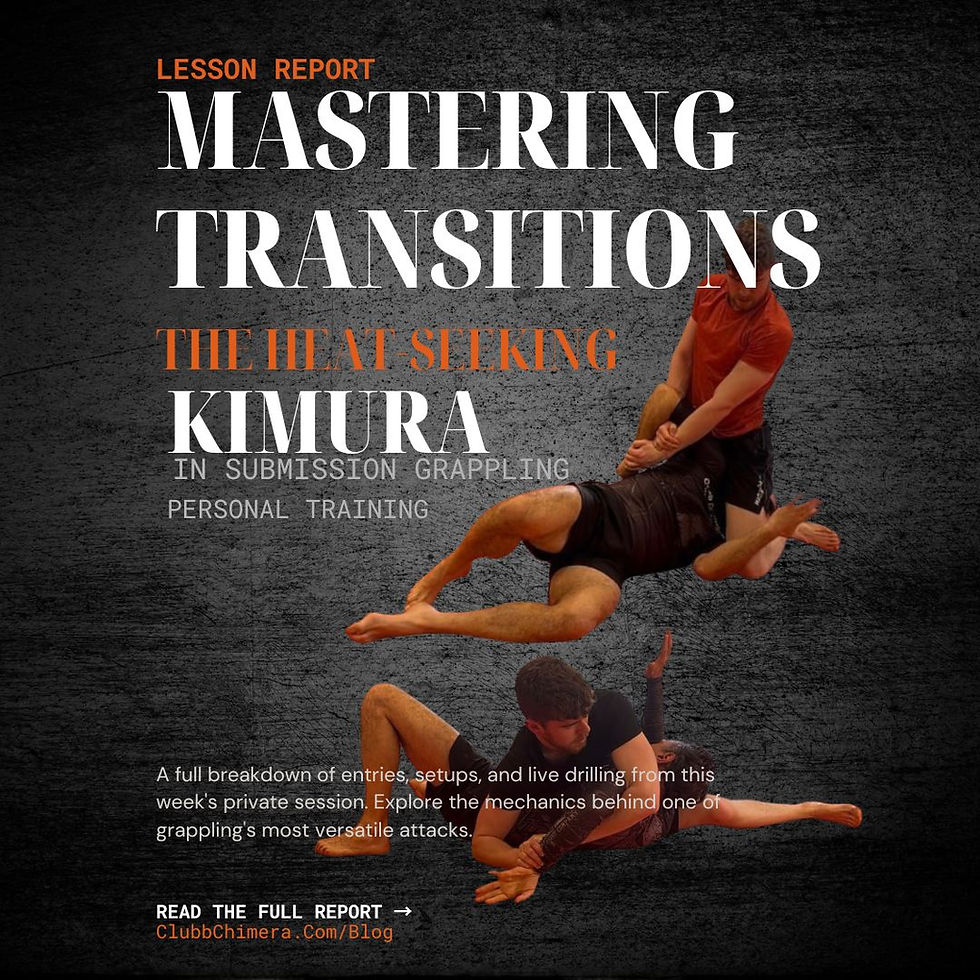
Kimura Armlock: A classic shoulder lock that can be applied from many positions, including reverse scarf-hold. It forces the opponent to defend or risk injury.
After securing the Kimura grip, we practiced gripping the foot to switch into full mount. This transition is crucial because the full mount is one of the most dominant positions in submission grappling, offering numerous submission opportunities.
Revising the Pin Drill and Transitions
Throughout the class, we revisited the pin drill, moving through all the pins we had covered so far. This repetition helps reinforce the flow between positions and improves your ability to maintain control while looking for submissions.
Transitions are often where beginners struggle, but they are essential for keeping the opponent off balance and creating openings. By drilling these transitions, you develop a better sense of timing and positioning.
What to Expect Next Class
In the next session, we will focus on the full mount position. This dominant position allows for a wide range of submissions and control techniques. Mastering the full mount will significantly improve your Submission Grappling Personal Training experience and your overall grappling skills.
Why Top Position Control Matters in Submission Grappling
Top position control is more than just holding your opponent down. It’s about controlling their movement, dictating the pace of the match, and setting up submissions. When you master positions like knee-pin and reverse half-guard, you gain the ability to:
Limit your opponent’s options
Conserve your energy while applying pressure
Create openings for submissions
Improve your defensive skills by anticipating escapes
For new private clients, focusing on these positions early in training builds a strong foundation. It also helps reduce frustration by giving you clear goals and techniques to practice.
Tips for Practicing Top Position Techniques
Here are some practical tips to help you improve your top position control between classes:
Drill transitions slowly to understand the mechanics before increasing speed.
Focus on weight distribution to make it harder for your opponent to escape.
Practice submissions from control positions to link control and finishing moves.
Use flow pinning drills to build fluidity and endurance.
Ask your instructor for feedback on your positioning and pressure.
Consistent practice of these elements will make your Submission Grappling Personal Training sessions more productive and enjoyable.
Mastering top position techniques like knee-pin and reverse half-guard opens up many possibilities in submission grappling. These positions give you control, leverage, and access to effective submissions. By focusing on flow pinning, transitions, and submissions, you build a solid grappling foundation that will serve you well as you progress.
If you are interested in improving your grappling skills, consider private training sessions where you can get personalized instruction and feedback. The next class will cover the full mount, another key position that will expand your control and submission options.


Comments