


Exploring Major Ranges of MMA Sparring Through Diverse Techniques and Strategies (Mixed Martial Arts Personal Training)

Mixed Martial Arts Personal Training
Mixed Martial Arts (MMA) demands mastery across multiple fighting ranges, each requiring unique skills and strategies. During a recent hour-long session, my client and I explored all the major ranges of MMA sparring. We structured the training into focused 3-minute rounds, covering boxing, kickboxing, shoot-boxing, clinch work, and ground fighting from both top and bottom positions. This approach offers a comprehensive way to develop well-rounded skills and sharpen transitions between striking and grappling.

This post breaks down each sparring range, explaining its purpose, techniques, and how it fits into a complete MMA skill set. Whether you are a private client seeking to improve your Mixed Martial Arts Personal Training or simply curious about MMA’s complexity, this guide offers practical insights.
Boxing with MMA Gloves
Boxing forms the foundation of striking in MMA. Using MMA gloves instead of traditional boxing gloves changes the dynamic: the gloves are lighter and smaller, which affects defense and punching power.
Key points in boxing sparring with MMA gloves:
Focus on hand speed and accuracy rather than pure power.
Use head movement and footwork to create angles.
Practice combinations that set up takedowns or clinch entries.
Defend against punches while maintaining readiness for transitions to other ranges.
Boxing rounds build timing and precision. For example, my client worked on slipping jabs and countering with hooks, which are essential for controlling distance before engaging in kickboxing or clinch work.
Kickboxing with MMA Gloves
Adding kicks expands the striking range and introduces new threats. Kickboxing sparring with MMA gloves requires awareness of leg strikes and counters.
Techniques emphasized:
Low kicks to disrupt opponent’s balance.
Body kicks to create openings.
Punch-kick combinations to confuse defenses.
Checking kicks and counterattacks.
During these rounds, my client practiced mixing punches with leg kicks, improving fluidity and timing. This range demands conditioning and the ability to switch between hand and leg strikes quickly.
Shoot-Boxing with MMA Gloves
Shoot-boxing blends striking with takedown attempts, bridging stand-up and grappling. It encourages fighters to stay aggressive while preparing to shoot for takedowns.
Focus areas:
Striking to set up level changes.
Timing takedown entries after punches or kicks.
Defending against counters while shooting.
Maintaining balance and posture during transitions.
My client worked on shooting double-leg takedowns immediately after a jab-cross combo, learning to flow from striking into grappling seamlessly. This range is crucial for Mixed Martial Arts Personal Training because it trains fighters to control the fight’s direction.
Shoot-Kickboxing with MMA Gloves
Shoot-kickboxing adds more complex striking and takedown combinations. It blends the fluidity of kickboxing with the tactical depth of shoot-boxing.
Training highlights:
Using feints to draw reactions.
Mixing high and low strikes to open takedown opportunities.
Practicing sprawls and counters to takedown attempts.
Combining clinch entries with strikes.
This round tested my client’s ability to read opponents and adapt quickly. For example, after a feint jab, they would throw a leg kick and immediately shoot for a takedown, forcing constant decision-making.
MMA Clinch
The clinch is a close-range fighting position where control and strikes combine. It requires strength, technique, and awareness to dominate or escape.
Key elements practiced:
Controlling opponent’s posture with underhooks or overhooks.
Delivering knees and short punches.
Setting up takedowns or breaking the clinch.
Defending against strikes and counters.
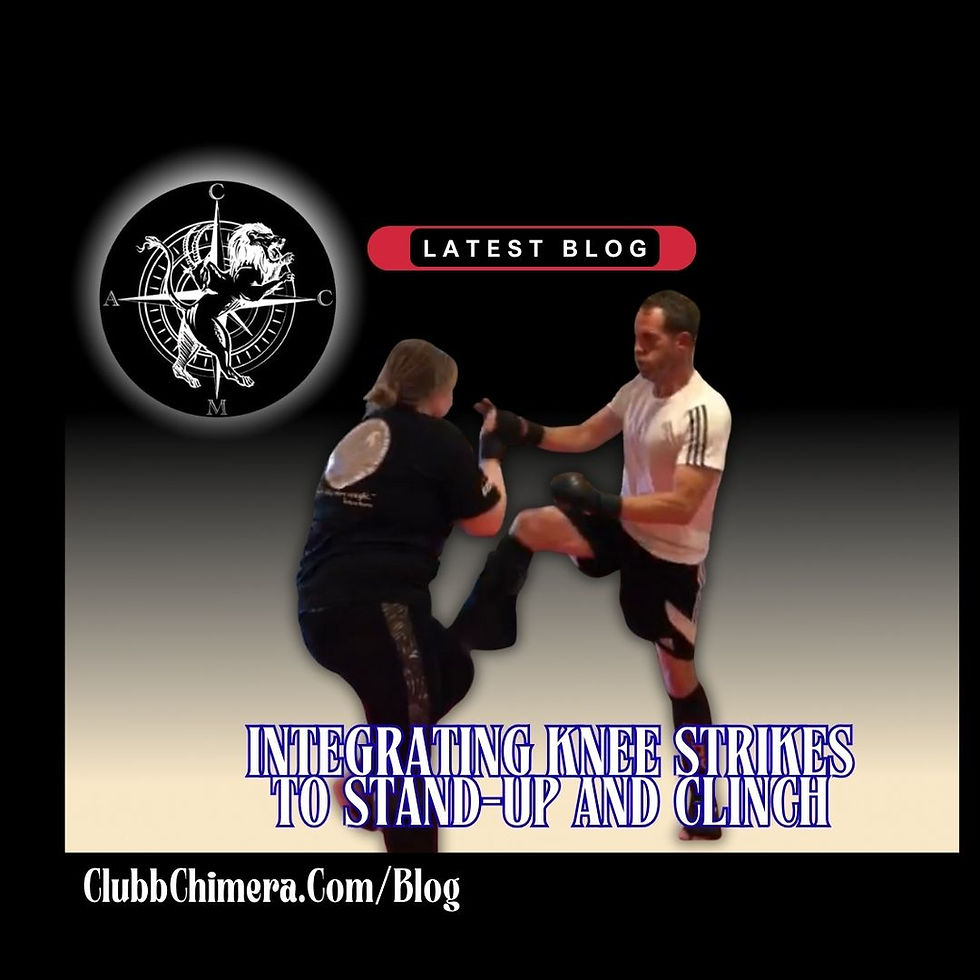
In clinch sparring, my client focused on maintaining balance while delivering knees to the body and head. This range is physically demanding and essential for controlling opponents in cage or ring.
Top Position MMA Ground Fighting
Ground fighting from the top position allows control and striking opportunities. It requires pressure, positional awareness, and submission attempts.
Skills developed:
Maintaining dominant positions like mount or side control.
Delivering ground-and-pound strikes safely.
Transitioning between positions to improve control.
Setting up submissions such as armbars or chokes.
My client practiced keeping heavy pressure while landing short punches and elbows, learning to wear down opponents and create openings for submissions.
Bottom Position MMA Ground Fighting
Fighting from the bottom is about defense, escapes, and submissions. It demands patience and technique to reverse or submit the opponent.
Focus areas:
Using guard positions to control the top fighter.
Sweeping to reverse positions.
Attempting submissions like triangles or armbars.
Defending strikes and preventing ground-and-pound.
During these rounds, my client worked on maintaining a strong guard and executing a sweep after an opponent’s strike, emphasizing the importance of staying active and strategic even when on the bottom.
Integrating the Ranges for Complete MMA Training
Each sparring range develops specific skills, but the real challenge lies in transitioning smoothly between them. For example, moving from boxing to clinch or from shoot-boxing to ground fighting requires timing, awareness, and conditioning.
In Mixed Martial Arts Personal Training, focusing on all these ranges ensures fighters are prepared for any situation. Training in isolated rounds helps build muscle memory and confidence, while combining these skills in live sparring improves adaptability.
Final Thoughts on MMA Sparring Ranges
Exploring all major MMA sparring ranges in a single session reveals the sport’s complexity and the need for versatile training. From precise boxing to dynamic ground fighting, each range builds critical skills that contribute to overall success.
For private clients, dedicating time to each range during Mixed Martial Arts Personal Training creates a balanced, effective approach. It prepares fighters not only to strike or grapple but to control the fight’s pace and flow.

Comments